Personal Attention
Your purpose, preferences and people shape the brief.
 Plan Your Journey
ZYRA Sacred Pilgrimage
Prepare a separate Iran travel brief with your intended visits, departure country, travel window and accommodation priorities.
Your purpose, preferences and people shape the brief.
Review the scope, inclusions and responsibilities together.
Make room for faith, traditions and family priorities.
Balance meaningful moments with time to rest.
Explore Iraq, Iran and the holy cities of Saudi Arabia. Share the visits that matter to you; the team will confirm the route, available services and requirements for your dates.
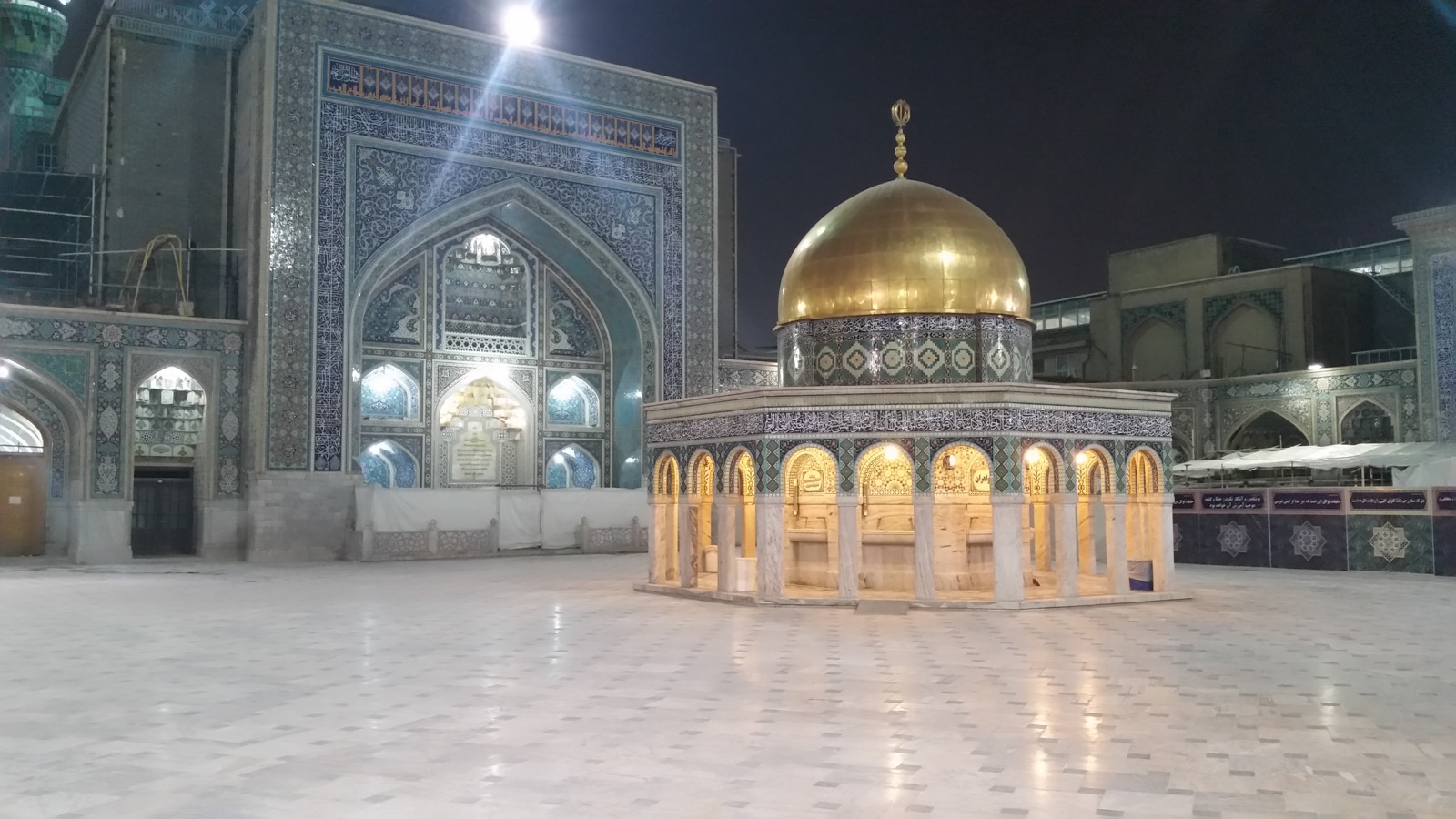
Imam Reza Shrine · 2015 · Lars Holmer · CC BY 3.0. Resized; display crop under the same licence.
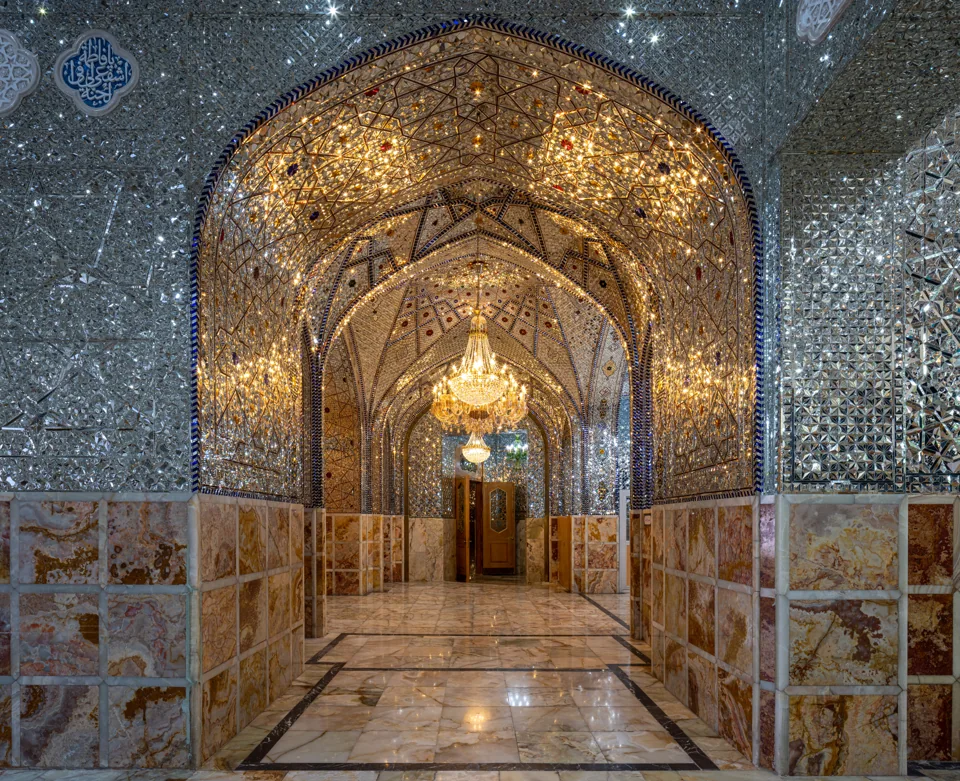
Fatima Masumeh Shrine interior · 2020 · Amir Pashaei · CC BY-SA 4.0. Resized; display crop under the same licence.
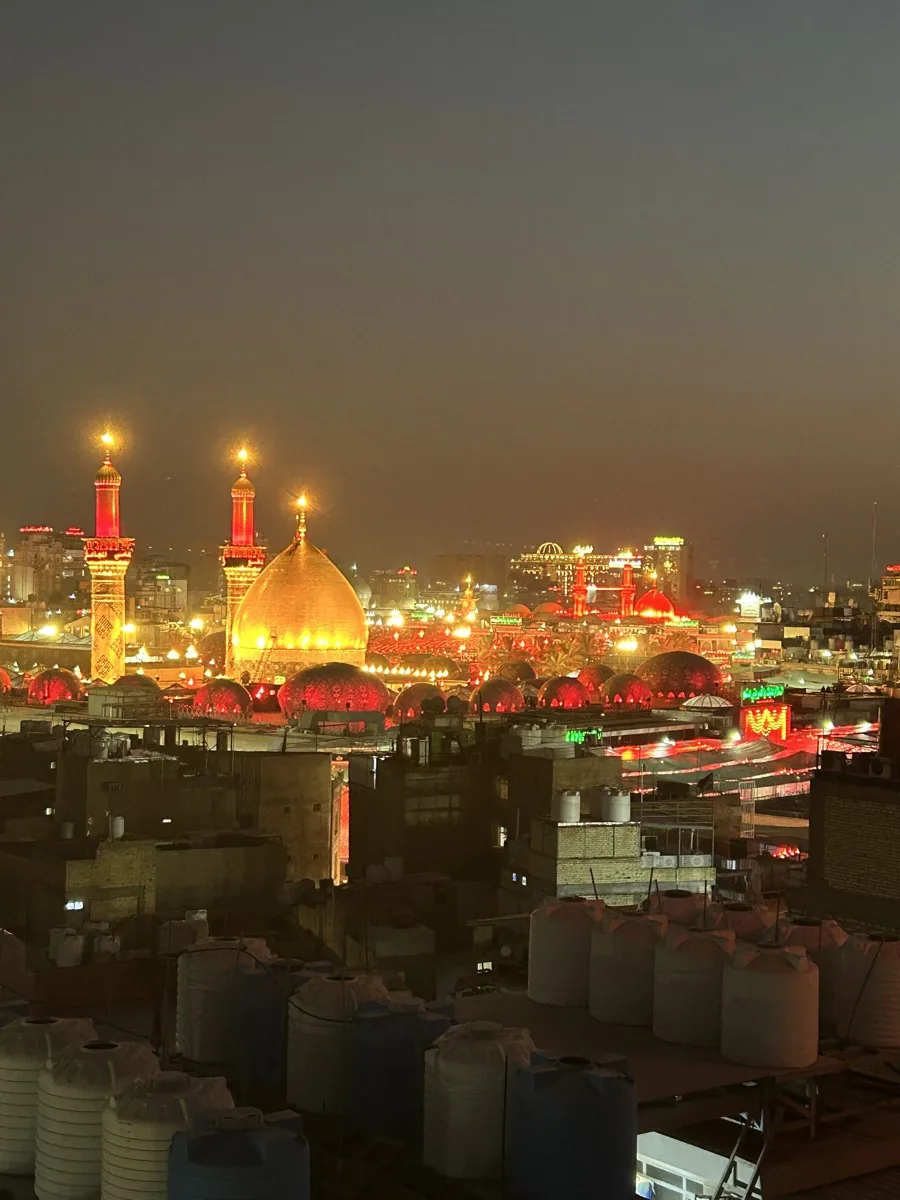
Each city is a planning starting point. Photography does not confirm a departure or access permission. Makkah and Madinah arrangements, including any pilgrimage-specific services, must be confirmed individually.
Start with the places that matter to you. A thoughtful route leaves space for reflection, family needs and practical comfort.
Begin with the sacred visits you want to prioritise. If your plans include Mashhad and Qom, review the nights in each city, transfer time and space for rest before agreeing the route.
A shared programme and a private family journey need different planning conversations.
Keep your family’s priorities, pace and rooming preferences at the centre.
Discuss This JourneyCompare the shared programme, coordination arrangements and rooming basis.
Discuss This JourneyBring departure countries, arrival windows and guest needs into one brief.
Discuss This JourneyA clear proposal connects inspiration with arrangements you can understand and review.
The company profile includes Iran pilgrimage programmes, but it does not establish a dated itinerary or current departure. Name the destinations that matter to you and ask which route is feasible for your dates. Avoid assuming that every city or visit can fit into the same programme.
A combined journey may add international connections, separate documentation checks and additional transfer days. Compare the practical effect on available time and the people travelling. Each part of a proposal should make responsibility, inclusions and exclusions clear.
Nationality and residence can affect travel documentation. State departure countries in the first brief, then use the appropriate official sources for current requirements. Assistance with a process is not a guarantee of approval. Ask how documentation-dependent bookings and changes are handled before paying.
Room arrangements, meal preferences and rest periods should be discussed alongside the itinerary. Travellers who want a slower programme should make that preference explicit. Ask about the actual accommodation and transfer arrangements rather than inferring standards from a package title.
Check route, nights, accommodation basis, local transport, meals and flight arrangements. Confirm the currency, validity and commercial terms. If a service is described as optional, ask how it is booked and priced. A complete decision requires current details rather than the planning content on this page.
Use these answers to prepare a clearer conversation.
No. Current requirements need official verification for each traveller.
Request a feasibility review. Routing, documentation and availability need separate confirmation.
Intended visits, travel window, departure country, traveller count and pace preferences.
Share your destination idea, travel window, traveller or guest count, departure country and the question you most want answered.
Review a current written proposal with dates, rooming basis, inclusions, exclusions, responsibilities and payment or cancellation terms. A draft inquiry is not a reservation.
Discuss the visits, time and travel arrangements that matter to your pilgrimage in Iran.
Identify the sacred visits you want to prioritise, the days available and the people joining you. Discuss rooming, walking and rest preferences before a route is proposed.

Read the route, stays, joining points and transfers together. Ask which arrangements are part of the actual programme and which need separate confirmation.
Consider how these arrangements suit your group, preferences and available time.
Ask for the proposed arrangements, named responsibilities and applicable conditions in writing. Distinguish stated service scope from current availability. An inquiry does not confirm a reservation or appointment.
Route, service scope and any unresolved choices.
Review with the planning team.Actual provider details, inclusions and exclusions.
Confirm in the written proposal.Validity, dependencies and applicable terms.
Clarify before confirming arrangements.Discuss these items in the context of your journey. The current scope is defined in the proposal.
A concise brief makes the next step more useful. No passport, payment or medical records are needed in the initial inquiry.
Ask the team which arrangements are currently available for your dates and group. This page describes planning scope, not live inventory or a confirmed departure. Obtain the actual programme and conditions before deciding.
A combined journey needs a programme covering both countries, the nights in each place and the travel between them. Entry requirements must be checked separately for each traveller and country. Ask for a proposed route before arranging flights.
Review your editable inquiry, then choose Continue on WhatsApp. You send the message yourself. The team can then discuss your request; an appointment or booking needs separate confirmation.
Prepare your brief, review the message and discuss the arrangements that matter to you.
Local review edition. Planning guidance requires human review; current commercial, destination, entry and ceremony arrangements need individual verification. Photographs are credited where used. Concept images illustrate an atmosphere and do not verify a venue or destination.


